

For decades, car marketing revolved around speed. Zero-to-sixty times, top speeds, roaring engines, and bragging rights ruled the conversation. Faster was better, always. But lately, something has changed. While cars can still go fast, that’s no longer the headline. Today’s automotive revolution is quieter, more subtle, and far more impactful. Cars aren’t getting faster—they’re getting smarter, and that intelligence is reshaping what driving even means.
Speed Hit Its Ceiling
Let’s be honest: we already crossed the “fast enough” threshold years ago. Most modern cars can reach illegal speeds in seconds, whether anyone actually needs that or not. Roads, laws, and safety concerns put a hard limit on how much speed matters in real life. Once speed stopped being usable, it stopped being impressive. Automakers realized that adding more horsepower didn’t fundamentally improve the daily driving experience, so they started optimizing something else entirely.
Smarter Safety Over Raw Power

One of the biggest shifts toward intelligence is safety. Advanced driver-assistance systems can monitor blind spots, predict collisions, apply emergency braking, and keep you centered in your lane. These features don’t make cars faster, but they make them better at protecting humans, who are famously bad at paying attention. In many ways, smart cars are less about showing off and more about compensating for our limitations.
Software Is the New Engine
The real performance gains now come from software. Cars are increasingly defined by code rather than mechanics. Over-the-air updates can improve acceleration, battery efficiency, or steering feel without touching a wrench. Navigation systems learn your habits. Power management adjusts in real time. The “engine” that matters most now is the operating system quietly running behind the dashboard, making thousands of decisions per second.
Cars That Learn You
Modern cars are starting to feel personal. They remember seat positions, climate preferences, driving styles, and favorite routes. Some adjust suspension or steering based on how aggressively you drive. Others suggest departure times to avoid traffic or remind you when you’re low on charge or fuel before you even think about it. This personalization isn’t flashy, but it fundamentally changes the relationship between driver and machine.
Efficiency Is the New Flex
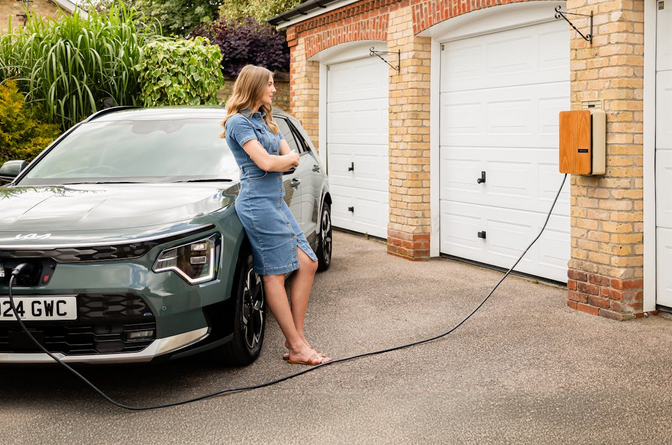
Electric vehicles accelerated this shift. With EVs, efficiency, range, and energy management matter more than raw speed. A smarter car knows when to conserve power, how to regenerate energy, and how to balance performance with longevity. The flex is no longer how loud your engine sounds, but how seamlessly your car integrates into your life without wasting time, energy, or attention.
Autonomy Changes the Goalposts
Self-driving technology, even in its partial forms, shifts the entire purpose of a car. When the long-term goal is autonomy, speed becomes secondary to perception, prediction, and decision-making. A car that can safely navigate complex environments, interpret human behavior, and make ethical split-second choices doesn’t need to be fast—it needs to be right. Intelligence becomes the metric that matters most.
The future of cars isn’t about going faster—it’s about thinking better. Intelligence has replaced speed as the main driver of innovation, quietly transforming vehicles into adaptive, learning systems rather than mechanical status symbols. As cars get smarter, driving becomes less about domination and more about collaboration between human and machine. And honestly, that feels like progress worth slowing down for.